Why This Matters Even More for Younger Audiences
Adolescence is already a time of heightened self-consciousness about appearance, that's nothing new. Now add constant exposure to curated, filtered, sometimes fully AI-generated content on top of it, and you get a generation forming its sense of "normal" based on images that were never realistic to begin with. Teenagers with limited media literacy also tend to be more vulnerable to fad treatments, unregulated skincare trends pushed online, or unsafe do-it-yourself cosmetic experiments picked up from some social media challenge.
Early, honest education can chip away at this vulnerability, and it can do that without shaming students for caring about how they look, which, let's be honest, is a completely normal part of growing up.
The Mental Health Connection
Body image concerns in teenagers are closely tied to anxiety, low self-esteem, and in more serious cases, disordered eating or exercise patterns. A good chunk of this comes directly from repeated exposure to unrealistic beauty content, without any real framework to process it critically. Teaching students to recognise editing, marketing tactics, and unrealistic before-and-after content isn't really about vanity at all. It functions as a genuine mental health intervention, addressing a daily source of comparison and pressure before it has the chance to escalate.
What This Could Actually Look Like
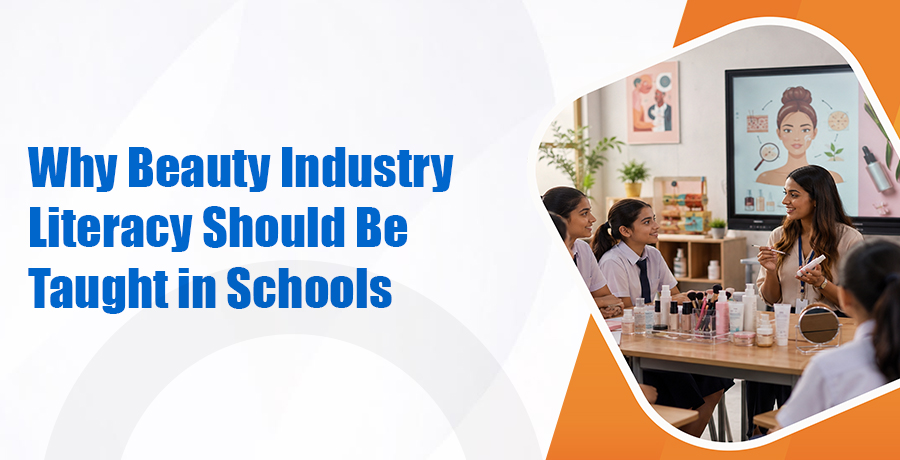
Beauty industry literacy doesn't need its own standalone subject. It could sit comfortably inside existing health education, media studies, or life skills classes, and might include things like:
- Practical, hands-on demonstrations of how filters alter a photo in real time
- Conversations about the specific advertising techniques used in beauty and wellness marketing
- Basic, age-appropriate information on skin and hair care, separating myths from dermatologically backed advice
- Open discussions about when to see an actual doctor or dermatologist versus following unverified advice found online
Parents and Educators Have a Role Here Too
Schools can't carry this alone. Parents and educators matter just as much, by having open conversations about what students are actually seeing online, without dismissing their concerns or overreacting to what's fairly normal appearance-related curiosity. The goal here is critical thinking, not fear, and definitely not restriction for its own sake.
A Balanced Conclusion
Beauty and grooming will always be part of how people present themselves to the world, and there's nothing wrong with caring about how you look. What matters is that young people grow up equipped to tell marketing apart from reality, filtered images apart from achievable ones, and genuine medical advice apart from unverified trends. That kind of literacy protects both self-esteem and physical safety, well before anyone even starts considering an aesthetic procedure.
If you or a family member is struggling with body image issues, skin problems or questions about cosmetic treatments, a consultation with Dr. Anup Dhir can assist you in separating the real from the unreal, supported by clear, honest medical advice.