
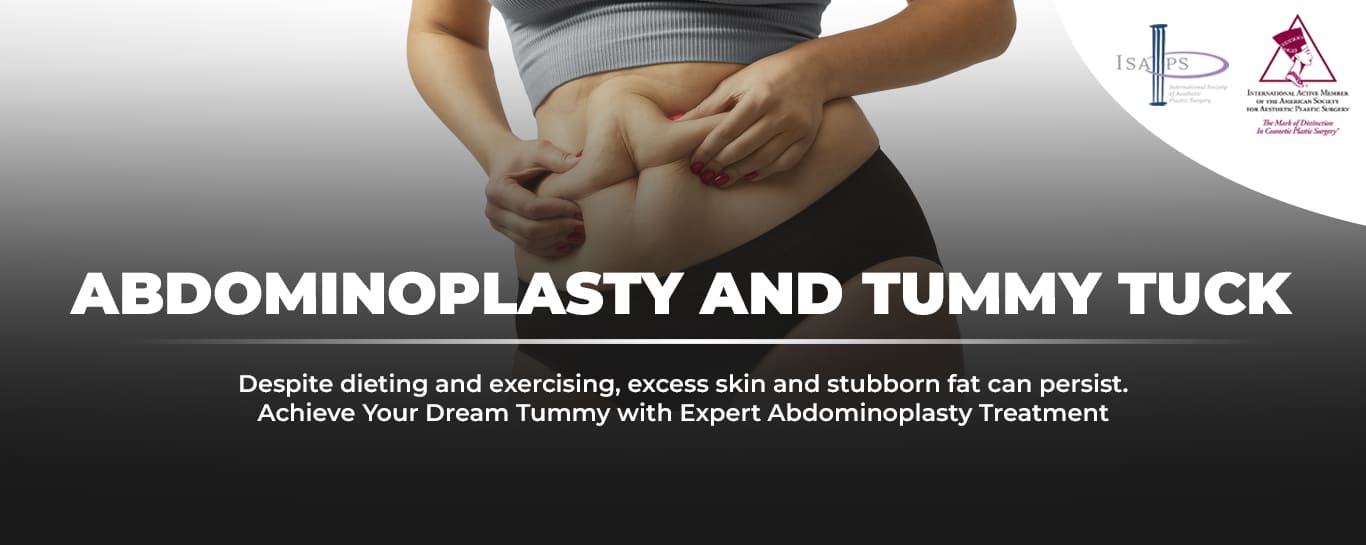
The tummy tuck, formally known as abdominoplasty, has come a long way from its utilitarian beginnings. Today, it's a popular cosmetic surgery, but its roots lie in treating physical injuries.
The story starts in the late 1800s with French surgeons tackling umbilical hernias, where the belly button protrudes. Their solution involved removing excess skin around the abdomen – sometimes even sacrificing the belly button – to achieve a tighter closure. Interestingly, this unintended consequence of a flatter stomach sparked the idea of using the procedure for aesthetics.
However, the early 1900s saw slow progress. Suturing techniques were limited, leading to significant scarring. Additionally, the concept of preserving the belly button remained elusive. The first documented tummy tuck in the US (around 1899) reflected these limitations, leaving patients with a flat but unnatural-looking abdomen.
A turning point came in the early 1900s. Surgeons, like French innovators, refined their techniques. They began using vertical and horizontal incisions instead of a single large cut, allowing them to create flaps for better manipulation and belly button preservation. These advancements led to smoother results with a more natural look.
Despite these improvements, tummy tucks remained largely corrective until the mid-20th century. World War injuries created a need for procedures to address abdominal wounds. This experience, however, further honed surgical techniques.
The 1970s and 80s witnessed the rise of tummy surgery as a cosmetic procedure. Several factors contributed to this :
The focus since the 1990s has been on refinement. Minimizing scarring, shortening surgery duration, and achieving natural-looking results became top priorities. Advances in technology like lasers have even led to the exploration of non-invasive options for abdominal rejuvenation.
From its origins in wound closure to its current status as a popular cosmetic surgery, the tummy tuck's journey reflects the continuous evolution of surgical techniques and societal perceptions of beauty. The quest for a flatter, firmer abdomen has driven innovation, resulting in a procedure that offers significant aesthetic improvements with minimal invasiveness.
This surgical procedure is designed to remove excess skin and fat from the abdominal area while tightening the underlying muscles for a more sculpted appearance. Tummy surgery can effectively address loose skin and muscle laxity caused by aging, pregnancy, or significant weight loss, giving you a renewed sense of confidence and self-esteem.
Several types of tummy tuck surgery can be tailored to meet the specific needs and goals of each patient:
Tummy tuck surgery suits individuals with good overall health and realistic expectations about the procedure's outcome. Good candidates for tummy tuck surgery in Delhi may include:
Before tummy tuck surgery, patients will have a consultation with their abdominoplasty surgeon to discuss their goals, medical history, and any concerns about the procedure. During this consultation, the surgeon will provide detailed pre-operative instructions, including:
After tummy tuck surgery, patients are given specific post-operative care instructions by their plastic surgeon to promote a smooth and comfortable recovery. It's essential to carefully follow these instructions to ensure a smooth and speedy recovery. These instructions often include taking prescribed medications and applying ice packs to manage pain and discomfort. Avoiding strenuous activities and heavy lifting for several weeks is also recommended to prevent complications and allow the body to heal properly.
Moreover, attending follow-up appointments with the abdominoplasty surgeon in Delhi is crucial to monitor progress and address any concerns or questions that may arise during the recovery process. Neglecting follow-up appointments can result in potential complications, such as infection, bleeding, or changes in sensation. Therefore, adhering to all post-operative care instructions and attending all scheduled follow-up appointments is vital to minimize the risk of complications and ensure the best possible outcome.
The results of tummy tuck surgery will become more visible as swelling subsides and the body heals. Patients typically expect a flatter, more contoured abdomen within a few months of surgery. However, managing expectations and understanding that individual results may vary is important.
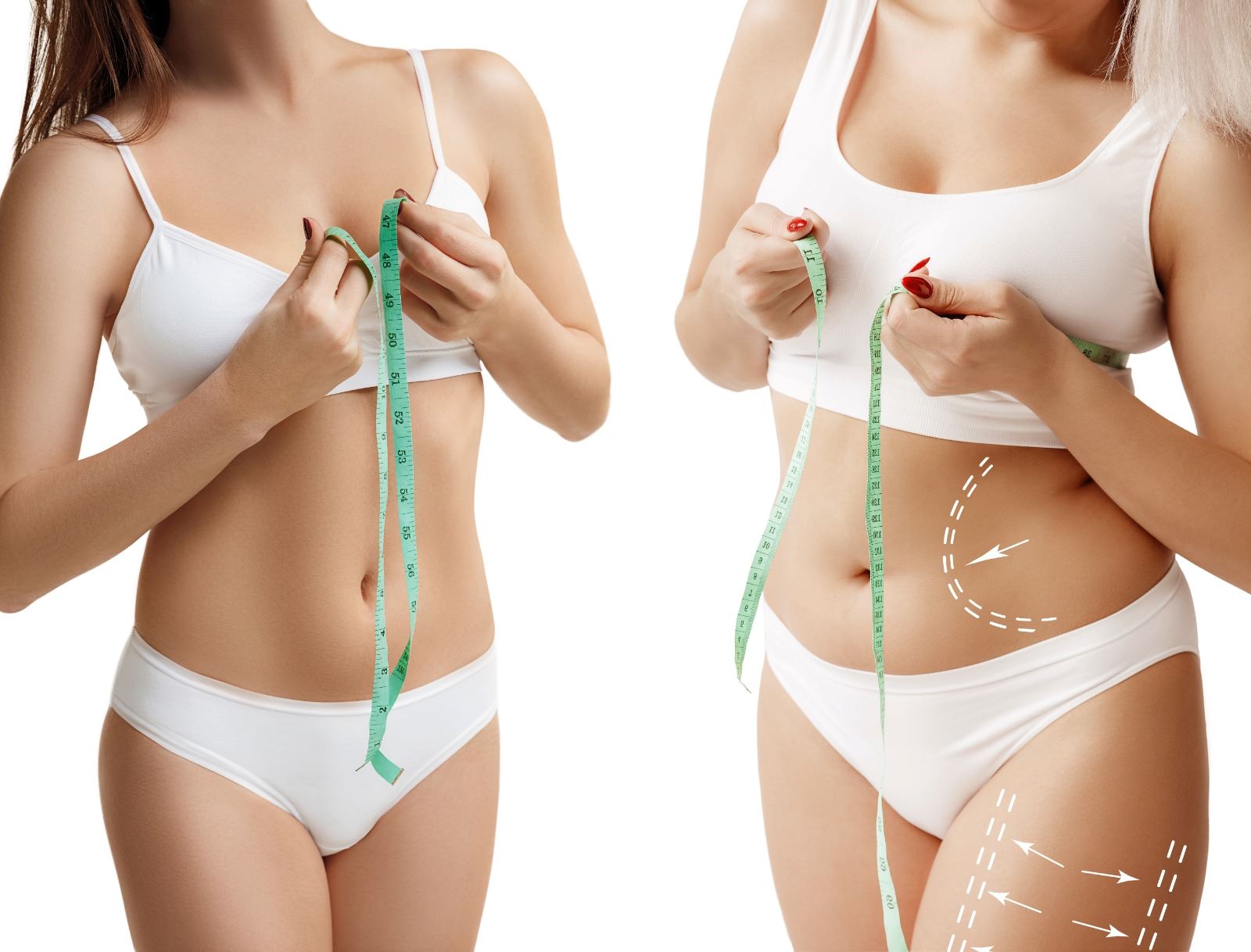
Before-and-after photos of tummy tuck surgery can help patients visualize the potential outcome of the procedure and make informed decisions about their treatment plan.
The cost of tummy surgery in Delhi can vary depending on factors such as the surgeon's experience, the geographic location of the practice, the extent of the procedure, and whether any additional procedures are combined. On average, the cost of tummy surgery in Delhi can range from ₹80,000 to ₹120,000, with additional expenses for anesthesia, operating room fees, and post-operative garments.
Overall, tummy tuck surgery in Delhi can be transformative for patients seeking a more toned and sculpted abdomen. Choosing a reputable abdominoplasty surgeon in Delhi, carefully evaluating the various tummy tuck options, and diligently adhering to pre and post-operative guidelines are crucial steps in ensuring optimal results and enjoying the benefits of a firmer and more sculpted midsection.
Like all surgical procedures, tummy tuck surgery carries potential risks and complications. These may include:
1. Bleeding
2. Infection
3. Scarring
4. Blood clots
5. Poor wound healing
6. Skin loss
7. Numbness or tingling in the abdominal area
8. Anesthesia-related complications
It's essential to discuss all the mentioned risks with your plastic surgeon during your consultation to ensure you fully understand the potential outcomes of the surgery.
There are many people who have been coming in with the idea that a tummy tuck is just a skin bag. The muscle repair under is often more important and that's important to understand before deciding on the procedure.
Diastasis recti is the medical term used for the separation of the vertical muscles down the centre of the abdomen called rectus abdominis. The most frequent cause is pregnancy; a lot of weight gain or loss causes the same separation. After stretching beyond a certain limit, exercise can't make up for the gap in the connective tissue between muscles. Core exercises strengthen the muscle on each side of the separation, but they don't unite the two sides. This can only be repaired with surgery.
In a tummy tuck procedure, the surgeon will re-join the separated muscles to the midline. Tighter, flatter contour is what this does for patients that skin removal alone won't provide. It's also how a tummy tuck can also alleviate lower back pain and postural problems associated with a weak abdominal wall. It is functional, it's not cosmetic, and during the consultation, you should raise the value of the muscle repair and not take it for granted that it's just about removing skin.
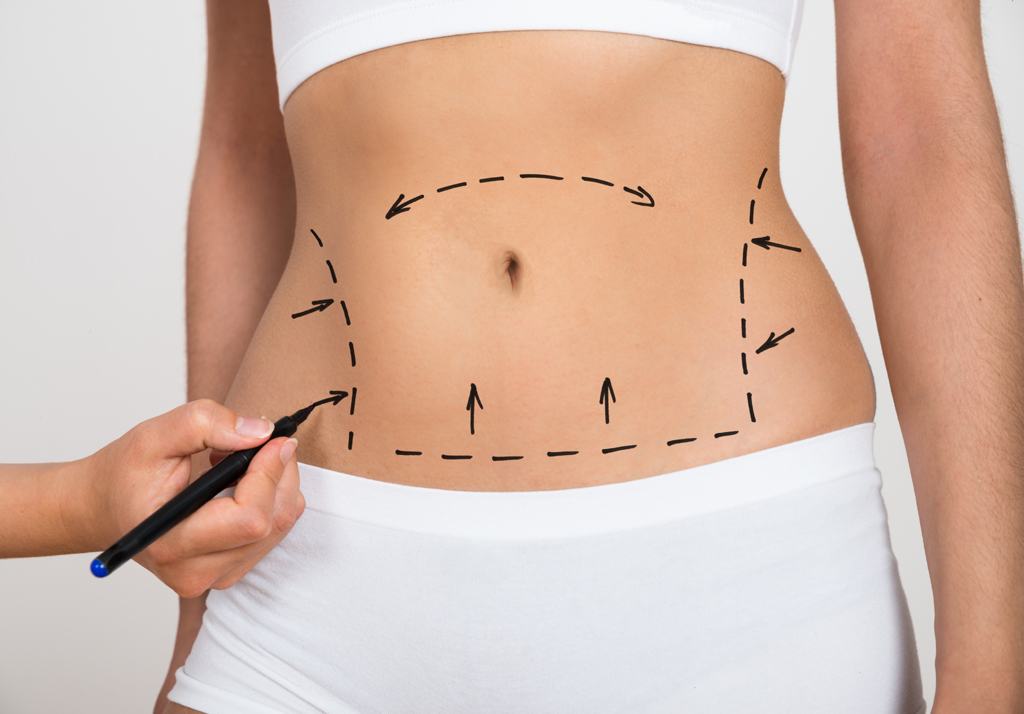
A standard tummy tuck procedure will make the cut low on the abdomen, typically below the bikini line. Its placement, length and healing will vary depending on the tummy tuck procedure performed and person to person.
Appearance of a scar gets significantly better in the first year after the surgery. The scar is initially raised and pink/red immediately following surgery. It gradually fades and flattens over the next few months, and after 12 to 18 months all scars become thinner and lighter. There is a real genetic basis. Consultation should include patients who have a history of keloid or hypertrophic scarring, as this situation will impact surgical procedure and scar management.
By covering the scar or applying sunscreen after the incisions have closed the discolouration is significantly reduced and lasts longer than most patients realize, when the scar is exposed to the sun. Scar treatments with silicone have reasonable evidence in favor of them for promoting the final appearance of the scar when they are used regularly for a few months.
Tummy tuck is also often done in conjunction with a tummy scrub, especially the sides and bottom, to provide a smooth line around the whole midsection, rather than just the abdomen. Many surgeons believe that this is such a standard practice that it is near to normal for patients who have excess weight around, not on, their midsection.
Women who want to treat several areas that have been affected due to the pregnancy often opt for tummy tuck along with other breast procedures, all of which are part of a mommy makeover. The procedures may be performed as a single operation or in separate sessions depending on the overall operating time, anaesthesia safety and patient's general health. This choice is not standard packaged and is being made on a case by case basis.
A tummy tuck does not eliminate large amounts of fat like liposuction surgery or bariatric surgery. It eliminates surplus skin and tightens muscle. Generally, the closer patients are to reaching their ideal weight, the more consistent the results will be, as they will not be primarily worried about fat volume, but more about excess skin and muscle laxity.
Changes in weight and pregnancy can reverse aspects of the changes. Weight gain following surgery causes more skin stretching. A tummy tuck pregnancy can cause the repaired muscle to separate again. This is why doctors will usually wait until you're done having children before you can get the surgery, and also why an honest pre-surgical discussion should include realistic expectations for weight maintenance years after surgery, rather than just signing up for surgery.
During your consultation, Dr. Dhir will take the time to understand your unique goals. He will evaluate your medical history(if any issues), current health, and body type to recommend the best method for your tummy tuck surgery.The procedure is mainly performed under general anesthesia typically takes 4–5 hours, depending on the duration of the surgery.
Most individuals undergoing tummy tuck surgery can typically return to work and normal activities within 3-5 weeks, although recovery time may vary from patient to patient. Dr. Dhir will provide detailed post-operative instructions to ensure a smooth and speedy recovery. You can expect to see improvements in your abdominal contour and overall appearance within a few weeks of surgery.
It's vital to note that tummy tuck surgery, like all surgical procedures, carries potential risks and complications. Dr. Dhir will discuss these risks with you during your consultation and will take steps to minimize them. He and his team will provide you with comprehensive pre-operative post-operative care to ensure a safe and successful surgery.
In addition to tummy tuck surgery, Dr. Dhir offers a range of cosmetic and reconstructive procedures,including breast augmentation, facelifts, rhinoplasty, and more.
To schedule a consultation with Dr. Anup Dhir for tummy tuck surgery or any other cosmetic or reconstructive procedure, please book an appointment
A lot of people want to know what their body will look like after they have healed from a tuck. The reason people get a tuck is usually to improve the way their stomach looks when they have loose skin or fat that will not go away with exercise. After they have recovered, the stomach area often looks flatter and more balanced with the rest of the body. The results of a tuck can be really noticeable after someone has had a baby or lost a lot of weight.
It is very important to understand that it is normal to have some swelling in the first few weeks after a tummy tuck. It can take months for the final results to show. You have to be patient and give your body time to heal because it takes time for your body to adjust.
The results of a tuck can last for a very long time if you take care of yourself and have a stable lifestyle. If you gain weight after a tuck, it can stretch your skin again and change the way your stomach looks. If you get pregnant again, it can also change the way your stomach muscles and skin look. That is why a lot of people choose to get a tuck after they are done having babies and have reached a weight that they are happy with.
There are some things you can do to help keep the results of a tummy tuck. These things include:
One good thing about a tummy tuck is that it can help tighten the muscles in your stomach. This can help your posture. It is not a replacement for exercise. It can help fix muscles that have been stretched out from having a baby or losing weight.
When you get a tuck, you will have scars. These scars are usually placed low on your stomach so they can be covered by your clothes. At first, scars may look red or raised. They will start to look better over time if you take care of them.
How well scars heal is different for everyone. It depends on the type of skin you have, your genes, and how well you take care of yourself after surgery. If you follow your doctor's instructions, stay out of the sun and go to your follow-up appointments, your scars may heal better.
For some people, getting a tuck can make them feel more confident. Their clothes may fit better. They may feel more positive about the way they look. However, it is very important to have expectations when you are thinking about getting a tummy tuck. A tummy tuck can improve the way your body looks. It is not perfect, and it will not fix every problem you have with your body.
The people who are happiest with their results are usually the ones who understand what a tummy tuck can and cannot do.
Before you decide to get a tuck, it is a good idea to ask yourself some questions. These questions include:
If you are getting a tuck, it is a good idea to prepare ahead of time. Some things you can do to make your recovery easier include asking for help at home, planning to take time off work, wearing comfortable clothes and keeping everything you need nearby. Your doctor may tell you to go for walks after surgery, but you will usually have to wait to do any heavy exercise.
Abdominoplasty is a common surgical procedure that eliminates excess fat from the abdomen to create a more toned and tightened appearance.
The duration of abdominoplasty surgery varies depending on the procedure, but it typically takes 2-4 hours.
While abdominoplasty surgery is not entirely painless, Dr. Anup Dhir takes every measure to ensure that his patients are as comfortable as possible during & after the procedure. Pain medication is usually prescribed to deal with any discomfort.
As with every surgery, there are some risks & complications associated with abdominoplasty surgery. These can include bleeding, infection, scarring, and nerve damage. However, Dr. Anup Dhir is highly experienced and skilled in performing this procedure, which helps to minimize the risks.
The recovery time after abdominoplasty surgery can vary depending on the duration of the procedure, but most patients can return to activities within a few weeks and resume normal activities within 6-8 weeks.
While some scarring is inevitable after abdominoplasty surgery, Dr. Anup Dhir takes great care to minimize scarring and ensure that any scars are well hidden beneath clothing.
The cost of abdominoplasty surgery can vary depending on a number of factors, including the extent of the procedure and the location of the practice. On average, the cost of abdominoplasty surgery can range from ₹80,000 to ₹120,000
Yes, abdominoplasty surgery can be highly effective in addressing loose skin after weight loss, particularly in cases where the skin has lost elasticity and is no longer able to tighten naturally.
Tummy tuck results can be long-lasting, but maintaining a healthy lifestyle and weight is crucial for optimal outcomes
Liposuction removes fat deposits, while abdominoplasty addresses loose skin and muscle laxity. In many cases, both procedures are combined for a more comprehensive improvement.
Smoking cessation is crucial for healing. Discuss any medications or supplements you take with your abdominoplasty surgeon, as some may need adjustment.
The timeline varies, but expect activity restrictions for several weeks. Your doctor will provide a specific plan for gradually returning to normal activities.

Leave a request to connect to Dr. Anup Dhir for an Appointment.