 dranupdhir@hotmail.com
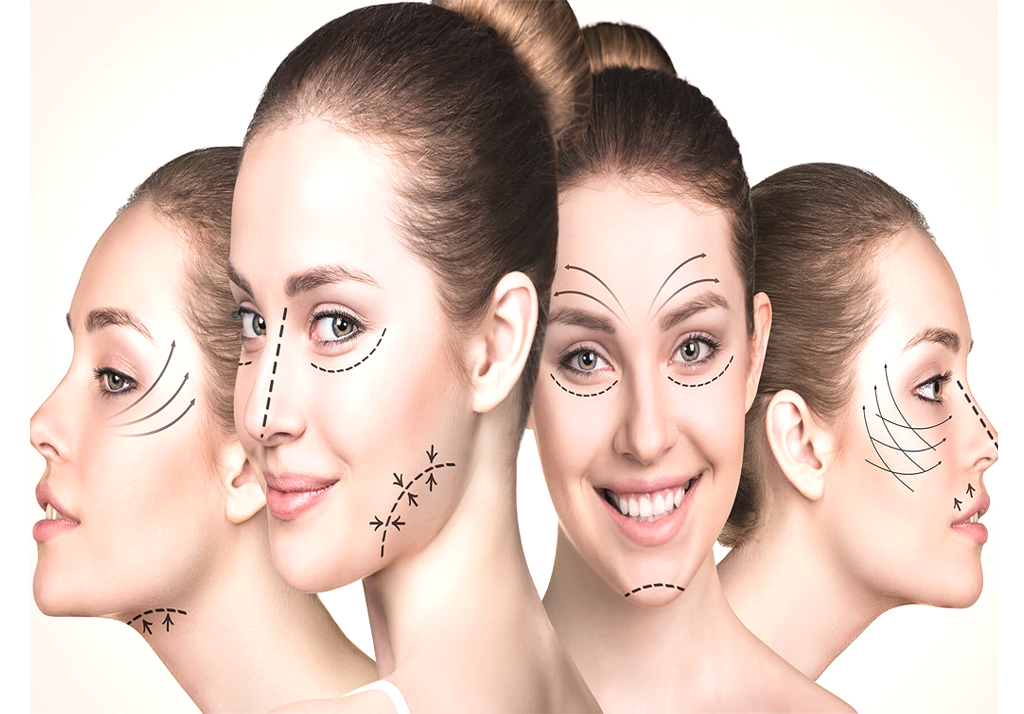
REGENERATIVE CELLS, or adipose-derived stem and regenerative cells (ADRCs), are used for breast augmentation and facial rejuvenation. The Puregraft system is utilized to purify the fat graft, while the Celution system helps extract ADRCs. They extract stable ADRCs via Celution, while Puregraft takes advantage of lipo dialysis. Saline and free lipids are swiftly removed from the fat graft using this approach compared to when surgeons utilize a centrifuge.
The manual procedure of separating fat tissue from blood, saline, and other undesired components using Puregraft, a sterile plastic bag, may be finished in 15 minutes. This procedure allows for long-lasting, natural rejuvenation. It delivers fat graft survival rates greater than those attained by traditional fat injections due to the special way that stem cells work.
Some surgeons with extensive surgical experience have discovered that the breast size stabilizes after three months and that nine months after the procedure, there is an average size difference of 3.3 cm. This method can be applied to breast reconstruction following partial mastectomy and augmentation. Additionally, this technique can improve skin texture and wrinkles for face rejuvenation.
When working with ADRCs, there are a few issues to consider, including the best ways to harvest, prepare, and inject the transplanted tissue to stay absorbed. The cell-enriched grafts may be made at the point of care in around 90 minutes thanks to Cytori's Celution technology.
Cell-enhanced fat grafts can be utilized for scar improvement, face rejuvenation, breast augmentation, and reconstruction.
New systems like lipocube mechanically digest fat and prepare stromal vascular fraction(SVF), which has abundant regenerative cells that can be used along with fat grafting for better results.
Dr. Anup Dhir is a leading expert in stem cell fat grafting in India. He has extensive experience in the field and has performed hundreds of successful procedures. He is also a pioneer in using the Celution System, a medical device that allows for the rapid and efficient processing of fat cells for stem cell extraction.
The most common, historical issue with fat grafting is survival. Transplanted fat cells in conventional fat grafting do not always survive and fat is required to have a blood supply to remain viable when injected in new sites. The success rate of the typical fat transfer is quite variable depending on the technique and the site and there is some variability in how much of the graft establishes blood flow before the cells die off.
The situation is different with adipose-derived regenerative cells, as they are not simply passive tissue transplanted. ADRCs contain stem and progenitor cells that can aid in the formation of new blood vessels that surround the graft, known as angiogenesis. If a fat graft is packed with the concentrated dose of these cells instead of the fat alone, more of the graft will get the blood supply early enough to be able to live long term. This is the reason why grafting with cells enriched by ADRC yields more predictable and durable volume versus older grafting methods that have been purely based on fat transfer without cell enrichment.
The graft isn't just filling space. It's essentially more natural, living tissue that blends in with the surrounding area, part of the reason that outcomes from ADRC-enriched fat grafting have a more natural appearance and feel over time than the older filling techniques.
Fat grafting goes beyond breast enhancement. Fat grafting isn't limited to breast augmentation.
Breast augmentation and face rejuvenation are the most popular uses of fat grafting; there are a few other applications in this procedure that are worth knowing about.
It can be used to restore contour irregularities following lumpectomy, soften the edges of the mastectomy scar, and help to make the skin more textured and pliable after radiation therapy, when the skin may appear stiff and poorly vascularised. The qualities of regeneration shown by the ADRCs seem to be real, rather than simply bulking them up.
Fat grafting is employed in scar revision for scarred areas with volume loss or loss of structure, such as some surgical scars, traumatic scars, and some burn scars. The technique does not just treat the visible surface, but the tissue at a structural level, which can result in improvements that can't be made using surface treatments such as lasers alone. The two methods are frequently used in conjunction to achieve a more comprehensive effect.
In the face, fat grafting is used to restore volume in the cheeks, temples, and under-eye area, areas that lose volume over time which can be temporarily achieved with dermal fillers but not permanently. Since the graft is the patient's own tissue, there is no risk of any allergic reaction or foreign-body response that may be experienced with synthetic filler materials.
However, where the fat is removed from does make a difference, although not as much as some patients might think. The typical areas of fat that can be harvested include the abdomen, flanks and thighs, which tend to have large amounts of subcutaneous fat.
How the fat is harvested affects the quality of the cells obtained. Low pressure, gentle liposuction techniques will help ensure that more viable cells can be harvested than any aggressive harvesting, which can cause the fat cells to be damaged and fewer usable ADRCs to be harvested. That's one reason harvesting is considered as meticulously as the injection step in a good procedure, and not as a preliminary step.
Outcomes are also influenced by patient factors. Smoking also harms peripheral circulation of blood which directly affects the entire basis of the technique that is the angiogenesis process. This is a specific reason designed to encourage patients to cease smoking well in advance and following the procedure, and not as a general precaution.
This is important to note, though, that fat grafting, even when enriched with ADRC, cannot be guaranteed or is not a completely predicable process. It is normal and expected that there will be some degree of graft resorption and that is why surgeons will often overcorrect slightly at the initial surgery with the expectation of some loss of volume over the months that follow. Sometimes a touch-up may be necessary to achieve the final look and this should be a realistic expectation during consultation and not considered a failure if it is required.

Leave a request to connect to Dr. Anup Dhir for an Appointment.