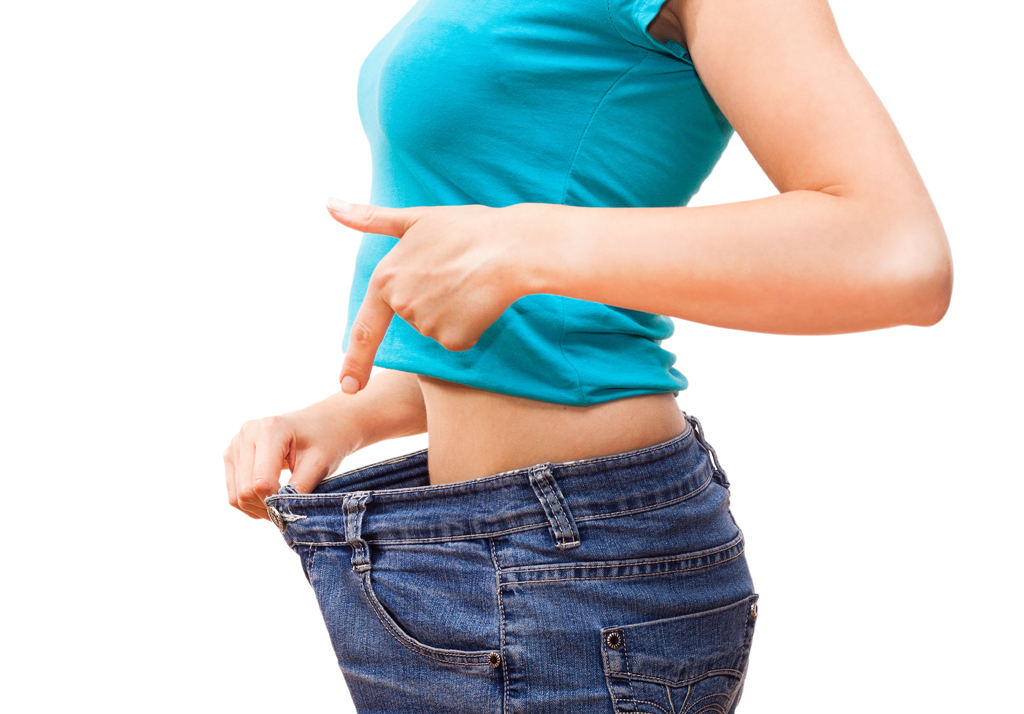
Plastic surgery after dramatic weight loss reduces excess skin and fat left behind after major weight loss. The goal of any such procedureis to restore the proportions by removing the sagging skin around the face, neck, upper arms, breasts, abdomen, buttocks and thighs that creates a deformity in contour. Although these procedures leave scars, most patients find them to be an acceptable tradeoff for an improved appearance.You may be a candidate for such procedure If you have experienced dramatic weight loss from bariatric surgery or diet and exercise resulting in sagging skin in multiple areas, like the face and neck, breasts, arms, abdomen, back and thighs.This surgery is done 18 months after weight loss,provide your weight has stabilized following bariatric surgery or diet and exercise.
Excisional surgery and liposuction are combined when the patient has excessive folds of skin. An incision is made and concealed as best as it is possible. The skin is then tightened, re-draped and the excess skin is removed. Sutures are used to close the incision. Body contouring could improve your figure and remove the extra skin and fatty deposits that are left after the Bariatric surgery.
Patients who have undergone bariatric surgery and the subsequent significant weight loss have numerous concerns. These areas may include;
With the growing popularity of bariatric, or gastric bypass, surgery as a treatment for obesity, body contouring after significant weight loss has become a focus of Dr. Anup Dhir's practice. He has a special interest in these procedures.
You did the hard part. Bariatric surgery, or years of sustained effort through diet and lifestyle change, and the weight is gone. A hundred kilograms, maybe more. The number on the scale is different from anything it has ever shown you.
And then you look in the mirror and the skin is still there.
This is the part of massive weight loss that doesn't get discussed enough before people go through it. The skin that stretched over years of excess weight doesn't simply contract back. Once elasticity is lost, it's gone. What remains is loose, hanging tissue around the abdomen, the arms, the thighs, the chest, and the inner legs. It doesn't respond to exercise. It doesn't tighten over time. For most people who have lost 50 kilograms or more, surgical removal is the only realistic path forward.
That's what post-bariatric body contouring surgery addresses.
Skin stretches to accommodate body size. Over years of carrying significant excess weight, the collagen and elastin fibres in the skin break down. When the weight comes off, the dermis has lost its ability to snap back. How much excess skin remains varies with the amount lost, how quickly it happened, and individual factors like age, genetics, and smoking history. But above a certain threshold of weight loss, almost everyone is left with skin that hangs.
The consequences go beyond appearance. Excess skin folds trap moisture, creating conditions for chronic rashes, fungal infections, and skin breakdown. The skin restricts movement, causes discomfort during physical activity, and makes hygiene difficult. These are genuine medical problems. Body contouring surgery addresses both the functional and aesthetic side.
Abdominoplasty and panniculectomy address the abdomen. A panniculectomy removes the pannus, the apron of skin hanging over the groin. An abdominoplasty goes further, tightening the underlying abdominal muscles as well. These tend to be the first procedures considered because the abdomen usually carries the most significant excess after major weight loss.
A lower body lift is more extensive. It treats the abdomen, buttocks, and outer thighs through a single circumferential procedure, removing a band of excess skin around the entire lower torso. The surgery is longer and recovery is more involved, but it covers multiple areas in one operation.
Brachioplasty removes the sagging skin from the inner and posterior upper arms. The scar runs from the armpit toward the elbow along the inner arm. That trade-off needs to be understood clearly before deciding.
A thigh lift reshapes the inner or outer thighs by removing excess skin and fat. The inner thigh in particular tends to accumulate significant redundancy after major weight loss.
Breast lift (mastopexy) and breast reduction address the deflation and descent of breast tissue that accompanies significant weight reduction. A mastopexy repositions and reshapes the tissue. Reduction may be appropriate where considerable skin and glandular tissue remain.
Weight needs to be stable before any body contouring procedure. The standard requirement is three to six months at a stable weight, though many surgeons prefer closer to a year. If weight continues to fluctuate after surgery, results change and additional excess skin can develop.
Nutritional status matters as much as weight stability. Bariatric surgery patients are at risk for deficiencies in protein, iron, vitamin B12, vitamin D, and zinc. Wound healing depends on nutritional sufficiency. Going into body contouring surgery with compromised nutrition raises complication risk considerably. Blood work is checked, deficiencies are corrected, and protein intake is assessed before any procedure is planned.
BMI also factors in. Most surgeons set upper BMI limits for elective body contouring procedures, typically around 30 to 32, because complication rates including wound separation and infection rise significantly above that range.
Smoking cessation is required before surgery. Nicotine impairs blood flow to the skin, which directly compromises wound healing and raises the risk of tissue necrosis in the skin flaps created during these operations.
The first two to four weeks involve the most significant restrictions. Swelling and bruising are pronounced. Drains may be in place for a week or more depending on the procedure. Most patients can't return to desk work until the end of week two at the earliest and longer after more extensive operations.
Physical activity is restricted for four to six weeks, with heavy lifting off limits for longer. Compression garments are worn continuously for six to eight weeks in most cases.
Seeing the final result takes longer than most patients expect. Swelling can persist for months. Scars go through a maturation process lasting twelve months or more, moving from raised and pink to flatter and paler over time. The appearance at six months is not yet the appearance at twelve. Patients who understand this timeline tend to be satisfied with their outcomes. Those who don't are often disappointed by what they see in the early weeks.
Most body contouring procedures after weight loss are classified as cosmetic and are not covered by insurance. Panniculectomy is an exception in some cases. When the hanging skin causes documented, recurrent medical problems including chronic rashes, skin infections, or interference with movement, coverage can sometimes be obtained. The bar requires a medical record showing persistent issues, not aesthetic concern alone. Coverage criteria vary by insurer and require preauthorisation.
Abdominoplasty, brachioplasty, thigh lift, mastopexy, and lower body lift are typically out-of-pocket. Costs in India are considerably more accessible than in the UK or US, which is why many patients who have achieved significant weight loss through bariatric surgery or long-term lifestyle change travel to Delhi for these procedures as a final step.
Dr. Anup Dhir has practised plastic and reconstructive surgery for over four decades. At Image Medical Center in Nehru Place, New Delhi, he works with post-bariatric patients across a full range of body contouring procedures, from single-site skin removal to staged multi-area work.
Dr. Anup Dhir was the first plastic surgeon in India accepted as an international active member of the American Society of Aesthetic Plastic Surgery. His experience with post-weight-loss body contouring covers the full set of procedures described here, with particular depth in abdominoplasty, brachioplasty, and lower body lift planning for patients whose body composition has changed significantly.
If you have maintained a stable weight and are ready to address what's been left behind, a consultation with Dr. Anup Dhir is the right starting point.

Leave a request to connect to Dr. Anup Dhir for an Appointment.