
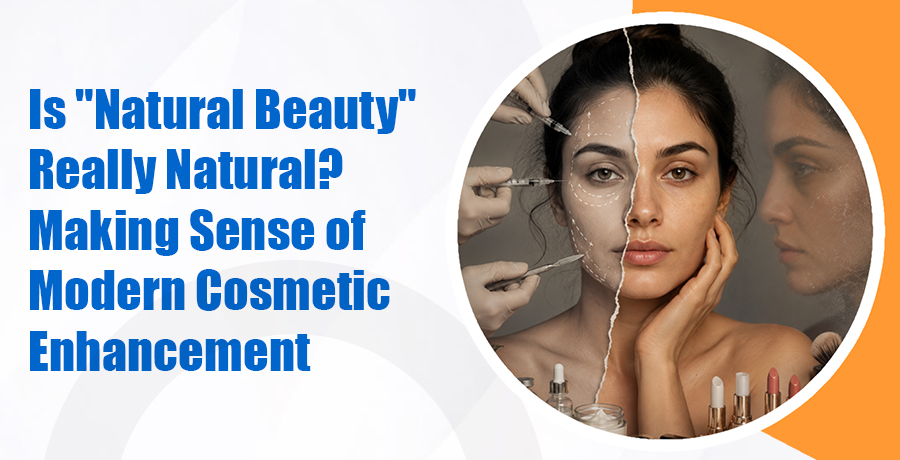
Spend five minutes on social media and you'll spot the comment "she's so naturally beautiful" under a photo that's probably had help from makeup, filters, good lighting, and maybe a procedure or two. The line between "natural" and "enhanced" has gotten blurry, and honestly, that's not a bad thing. It just means it's worth understanding what cosmetic surgery actually looks like today, and why "natural-looking" has become the whole point rather than an afterthought.
Beauty Standards Have Shifted, Quietly
Ten years ago, cosmetic surgery conjured up images of dramatic change, the kind you'd notice from across a room. That's not really where the field is anymore. Clinics in India and elsewhere are seeing patients who want to look like a well-rested version of themselves, not someone else entirely. That shift changes what "success" even means. A nose job done well, for example, should work with the patient's face and ethnic features, not force them into a generic mold. Same story with fillers, eyelid work, or body contouring; the aim is balance and proportion, not a new face.
Why Looking Natural Actually Matters
When results look overdone, it's usually one of two things: a technique problem, or a mismatch between what the patient asked for and what their anatomy could realistically support. A good surgeon spends nearly as much time telling patients what won't work as what will. If a request isn't going to look right on someone's face or body, a surgeon worth trusting will say so, plainly. And this takes real skill arguably more than going dramatic does. Subtlety is harder to pull off than transformation.