
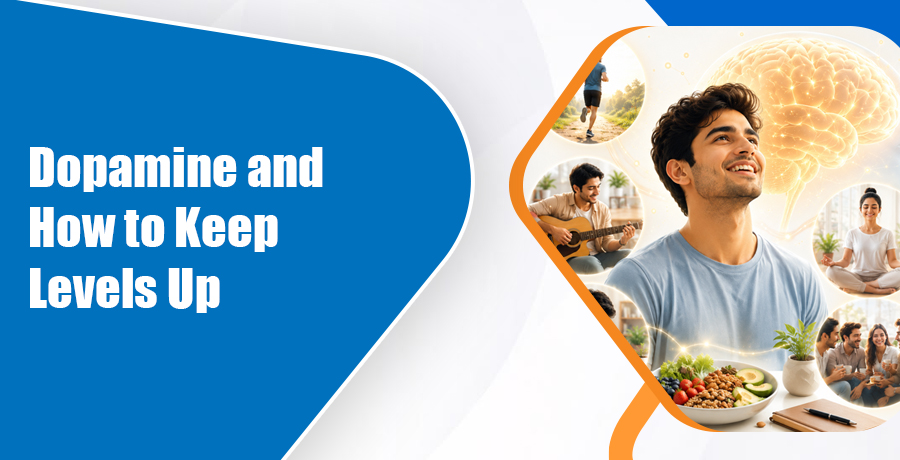
Most people are familiar with the word dopamine. Very few know what it does, or why it is important to their everyday lives.
Dopamine is a chemical that is made in the brainstem. It runs along neural pathways which control motivation, pleasure, movement, focus, and memory. It is not just the “pleasure chemical” that is being touted in pop science. More accurately, your brain sends a signal to you before you receive a reward – in this case, dopamine. It creates anticipation. It makes you want to take action. The feeling of satisfaction upon completion of a task, after eating something delicious, or after relating to someone that you care about. That's just the action of dopamine.
Lacking levels makes life plain. Tasks feel heavier. There's a shortage of small joys. When you get out of bed, it's like you are negotiating. Hence, dopamine is closely associated with depression, burnout, and ADHD.
Signs Your Dopamine May Be Low
Low dopamine doesn't manifest in the same way for everyone. These include low motivation, not being able to get enjoyment from things that once gave them joy, concentration problems, restless or disrupted sleep, and feeling “flat”, but unable to define what it is. Physical symptoms may be muscle stiffness, tiredness, and mood changes.
These symptoms overlap with a few conditions so it's important to discuss them with your doctor if they persist, you do not need to self-diagnose.
What Depletes Dopamine?
But before discussing the methods to increase dopamine, it would be best to be familiar with the methods that decrease dopamine.
The greatest source of stress is chronic stress. Over time, cortisol disrupts dopamine signalling. When a person doesn't sleep well, their brain is unable to properly reset the dopamine receptors. Low protein diet leads to the body's lack of tyrosine, which is the building block of dopamine.
It is important to understand the modern dopamine trap: social media, short video content and junk food all provide quick, shallow dopamine hits. Over time, the brain adapts, which means that the same stimulus will not provide as much reward as it once did. That is why people may feel bored and unmotivated during their normal day-to-day life. Things are different now.
Natural Ways to Keep Dopamine Levels Up
- Eat Enough Protein: Tyrosine is a protein-derived amino acid that is used to produce dopamine. Eggs, chicken, fish, lentils, paneer, soy, nuts and seeds are all good sources. Food that is devoid of protein at meal times is the same diet that compromises dopamine production. It is that direct.
- Exercise Regularly: One of the most consistent and established dopamine levers is physical activity. Aerobic exercise (running, swimming, cycling) stimulates dopamine release and over time, the sensitivity of dopamine receptors is increased, which is what makes everyday rewards more rewarding. Just a 20-minute walk can have an impact. Strength training does too!
- Get Consistent Sleep: Dopamine receptors are replenished during sleep. If you are getting less than 7 hours of sleep on a regular basis, then there is less receptor response to dopamine created by the brain. The regularity of sleep is as important as the length. A consistent bed and morning time enables the brain to get the reset it requires.
- Spend Time in Natural Light: Dopamine is triggered by the morning sun and regulates the circadian rhythm. Measurable changes in mood and alertness are detectable 20 minutes after being outside before 10AM. This is low-effort, free and unused.
- Set and Finish Small Goals: Dopamine is released to task completion, not just for significant accomplishments. Even if it takes longer to complete the bigger goal, it's easier to keep the reward signal going if you break it into small, specific steps and complete each one. A to-do list that you actually complete is a dopamine machine!
- Limit Rapid-Reward Stimuli: The advantage of this is that when dopamine usage is reduced, specifically for social media and brief videos, the dopamine receptors in the brain get better. A dopamine detox does not have to be a drastic measure. If you use this practice consistently, you'll see a difference in 2-3 weeks.In 2-3 weeks, you will see the difference if you use the practice consistently.
- Social Connection: Face-to-face communication (not texting). It creates a sustained and sustained dopamine effect. In humans, social behavior is rewarded with a braincap reward.
A Note on Self-Image and Motivation
DOPA is shaped by how we feel about ourselves. The brain can get stuck in a low-reward loop with a negative self-image and/or chronic dissatisfaction with appearance. One of the reasons that those who treat patients with chronic physical issues, functional or cosmetic, frequently find that their energy and motivation improves following treatment. It's not about how you feel on the outside, it's about how you feel on the inside. It is neurological.
If you have a year or more of an issue with your appearance, a consultation is worthwhile. The mental burden of constant self-awareness is a thing and a right course of action is to treat the source of the thing.
This blog will provide you with general information and is not intended to be a medical opinion. In cases of mood, motivational or mental health concerns, please seek professional medical advice.
The information in this article was verified by the team at Dr. Anup Dhir's clinic at Nehru Place, New Delhi.