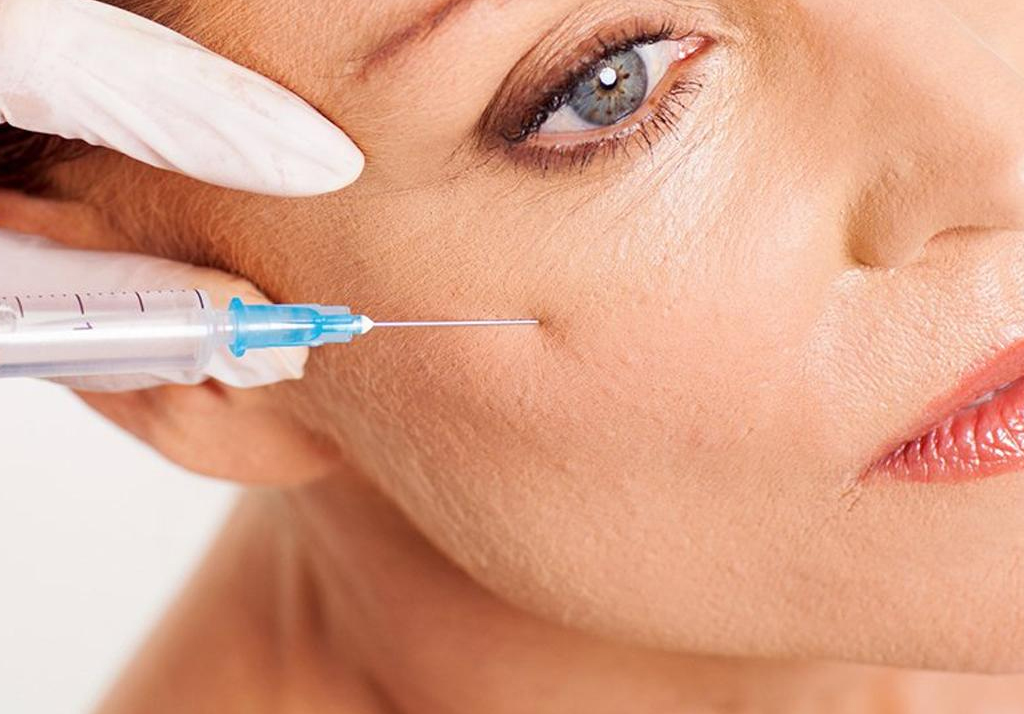
Botulinum toxin injections, also known as botulinum toxin or Myobloc, are biological poisons (botulinum toxin) turned into therapeutic agents. Botulinum toxin treats frown lines, forehead furrows, "crow's feet," lower-face lines and wrinkles, and even nasal muscles (to reduce nose flaring).
These nonsurgical cosmetic injections are highly popular. According to aesthetic plastic surgeons, the muscles that contract during facial expressions like frowning or squinting produce the lines and wrinkles that respond to botulinum toxin injections.
A small needle injects it into targeted muscles, causing minor pain. It usually takes two to six days to take action entirely. Aspirin and anti-inflammatory drugs should be discontinued two weeks before treatment to prevent bruising.
Do not massage the treated region for 12 hours or lie down for three to four hours after the injection. Botulinum toxin's effects will last four to six months.
Muscle movement eventually resumes, lines and wrinkles reappear, and wrinkles must be addressed again. As time passes, the lines and wrinkles become less noticeable. Get in touch with Dr. Anup Dhir for more information.
Botulinum toxin injections frequently referred to by popular brand names like Botox or Myobloc have revolutionized the fields of cosmetic dermatology, plastic surgery, and therapeutic medicine. What was once exclusively known as a potent biological substance produced by the bacterium Clostridium botulinum has been masterfully refined by modern science into one of the most widely used and highly effective therapeutic and anti-aging agents in the world.
Whether you are looking to treat stubborn frown lines, seeking relief from chronic medical conditions, or simply exploring preventative anti-aging treatments, understanding the mechanics, safety, and procedures associated with botulinum toxin is essential. This comprehensive guide will walk you through everything you need to know about these highly popular, non-surgical injections.
Botulinum toxin — a neurotoxic protein. In nature it is a biological poison, but in modern medicine it is purified, diluted and validated to be safely introduced as a therapeutic agent.
When micro-injected into specific areas of the body, it serves as a localized muscle relaxer. Over the last few decades, its usage has skyrocketed. And while it gets all the glory for its cosmetic prowess in sloughing away the signs of aging, it is actually highly prized for its effectiveness to treat a wealth of functional and medical issues.
Botulinum toxin (botox) Learn more An Overview of Botulinum Toxin Inhibits the release of acetylcholine, producing a flaccid paralysis There are multiple serotypes; Types A and B are used in commercial medical preparations. Brand names you may know are Botox Cosmetic, Dysport, Xeomin and Jeuveau (types A) and Myobloc (type B).
To understand why botulinum toxin is so good at smoothing wrinkles, you need to know how wrinkles are formed.
Our mouths are always moving. Whenever you smile, laugh, squint or frown, or look surprised,your face muscles contract. And over time, those muscle contractions wear a crease into the skin above them. That’s because, in youth, collagen and elastin are at high levels, enabling the skin to snap back. But as we age and skin’s elasticity gives way, those dynamic creases turn into static wrinkles — lines that are still visible even when your face is at rest.
Botulinum toxin disrupts the complex communication between your nerves and your muscles. Typically, when your brain decides it wants a muscle to move, an ending of a nerve releases the chemical neurotransmitter acetylcholine. This chemical attaches to the muscle receptors and a contraction occurs.
When botulinum toxin is injected into a certain muscle, it deploys as a microscopic blockade. It penetrates the nerve endings and inhibits acetylcholine release. As a result, the communication from nerve to muscle is temporarily impaired. The targeted muscle stays relaxed because it no longer receives the chemical signal for contraction. As a result, the skin covering that muscle gets the chance to rest, allowing existing wrinkles to soften, smooth and fade while new ones are prevented from forming.
These nonsurgical cosmetic injections are extremely popular for good reason, they produce highly predictable aesthetically pleasing results with little downtime. Botulinum toxin can treat many tissue concerns of the face:
Botulinum toxin is no stranger to the aesthetic clinic, however; its roots are firmly planted in therapeutic medicine. Apart from cosmetics, botulinum toxin is an F.D.A.-approved wonder drug for numerous bodily complaints:
Perhaps one of the best things about botulinum toxin injections is that these treatments demand very minimal preparation. But there are some easy steps one can take to ensure the best outcome possible, and to reduce the chances of small side effects such as bruising.
Patients are strongly encouraged to stop taking aspirin, NSAIDs (such as Ibuprofen) and some supplements (vitamin E, fish oil, St. John’s Wort, Ginkgo Biloba) 10-14 days before treatment. These are mild blood thinners. Halting them well in advance helps greatly reduce bruising and bleeding at the sites of injection.
When you have your first appointment, the doctor will assess your facial anatomy and aesthetic goals, as well as taking a full medical history. This is when you should tell your physician about any medications you are taking, past cosmetic procedures and/or neurological conditions. The doctor will then map out the specific injection points to give you the most natural, balanced results.
Many people are surprised to see how quick and easy botulinum toxin injections are. They are often called a “lunchtime procedure” because you can literally have them done on your lunch hour and return to work right after.
Though you can return to the vast majority of normal activities right away, the hours immediately after your treatment are crucial to making sure the toxin settles perfectly into its intended muscles. Following aftercare guidance keeps the injected fluid from traveling to unintended sites, leading to temporary problems like eyelids that droop.
Unlike dermal fillers, which create volume on the spot, botulinum toxin needs time to work its magic. There is a time delay for the neurotoxin to migrate into the nerve terminals and bind to their acetylcholine receptors.
It is critical to understand that botulinum toxin is a temporary treatment. Because the body is always repairing itself, it will eventually send out new nerve endings that work around the blockade, restoring the connection from nerve to muscle.
Botulinum toxin injection effects will last on average 4 to 6. Depending on the patients’ individual metabolism, dosage used, area treated and muscle strength in the patient, this duration may vary. Men, for instance, tend to have thicker facial muscles and might need higher doses or more frequent visits than women.
When the product wears off naturally, muscle movement returns over time and with it the lines and wrinkles will return slowly. In order to have a smooth complexion, further treatments must be administered and the wrinkles must be dealt with again.
But there is a significant long-term advantage to regular treatments. Over time, as you maintain your injection schedule, the targeted muscles become “trained” to relax. They go through a mild, safe form of atrophy from disuse. As a result, the lines and wrinkles appear less pronounced over time, and many patients feel they can extend time between maintenance appointments.
When given by a qualified, board-certified medical professional like Dr Anup Dhir, botulinum toxin has one of the best safety records in medicine. It has been studied for literally decades. However, like with any medical procedure that involves needles, there are minimal risks and side effects to note:
The difference between a "frozen," unnatural appearance and a beautifully refreshed, youthful look lies entirely in the hands of the person holding the syringe. Botulinum toxin injection is as much an art as it is a medical science. It requires a profound understanding of facial anatomy, muscle dynamics, and precise dosing.
Bargain-hunting for medical treatments can lead to undesirable and sometimes dangerous results. It is highly recommended to seek treatment only from qualified, highly trained medical professionals, such as board-certified plastic surgeons, dermatologists, or specialized aesthetic physicians.
If you are considering botulinum toxin to rejuvenate your appearance or address specific medical concerns, professional guidance is paramount. Getting a personalized assessment will ensure your treatment is tailored specifically to your unique facial structure and cosmetic desires.
Get in touch with Dr. Anup Dhir for more information, a comprehensive consultation, and to begin your journey toward a smoother, more youthful, and refreshed appearance.

Leave a request to connect to Dr. Anup Dhir for an Appointment.