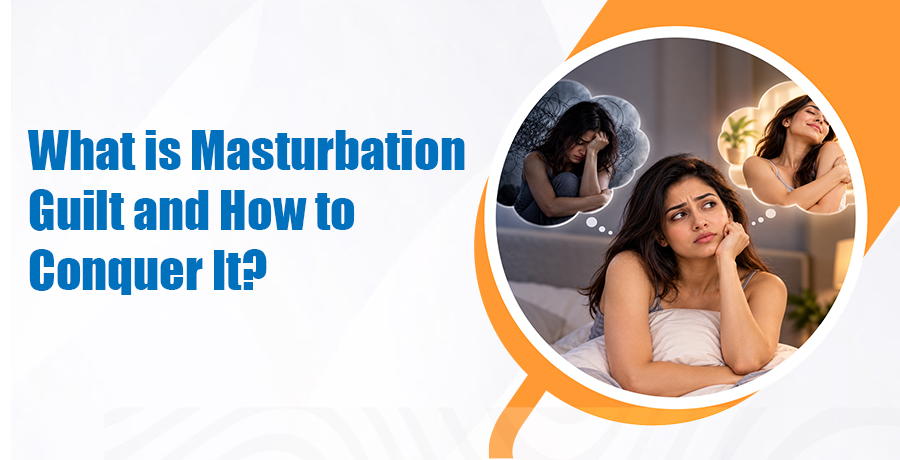
Where Masturbation Guilt Actually Comes From?
The most frequently seen source is religious upbringing. In many religions, extramarital or nonprocreative sexual activity is considered sinful, which inculcates this belief in children. The emotional conditioning can remain even if the person changes his or her views later on or drops them. The head can adjust its position quicker than the gut.
This is exacerbated by cultural messaging. For many cultures, masturbation is considered shameful, immature or an indicator of relationship issues. They are spread through the jokes, media and informal discussion and remain in the mind even when they are actively rejected.
Guilt is associated with relationship anxiety for some. When they want to masturbate, they may feel they are not attracting enough to their partner, or if their partner found out, they would feel a lack of self-worth. It's not usually true, but it's a concern that causes additional anxiety.
A smaller group feels guilty because masturbation is compulsive and getting in the way of work, relationships or daily functioning. This is a different clinical manifestation of guilt than the usual, and needs professional help.
When Guilt Becomes a Clinical Problem
If you feel guilty at times and it goes away, that's not bad. If persistent guilt is causing problems in any of the following areas, it's best to discuss directly: mood, self-esteem, and intimate relationships.
Chronic masturbation guilt has been related to sexual dysfunction in males and females. It can lead to problems with arousal, inability to reach orgasm, pain during sexual intercourse and the avoidance of sexual intercourse altogether. The shame cycle perpetuates itself: guilt triggers anxiety, anxiety interferes with sexual function, and the dysfunction increases the shame.
It may also lead to a loss of overall body image. By denying the natural physical reactions that are a part of being human, you will find yourself disconnected from more than your sexual health.
What Actually Helps
First, it's about disassociating behaviours from the messaging that has been passed down within them. There is nothing wrong with masturbating. The dogma associated with it is, and beliefs can be explored and altered.
Cognitive behavioural therapy (CBT) is a treatment that works for guilt-based sexual anxiety. It is based on the premise that guilt can be triggered by specific thoughts, that these thoughts are being tested as to their validity, and that they can be slowly replaced with more realistic thoughts. A sex-positive approach to therapy that is spiritual and sensitive, may allow individuals with religious conflicts to manoeuvre the tension without losing their faith.
Education helps too. A lot of people have false notions about masturbation, such as that it leads to sterility, makes a man or woman less or less sexual, or is a sign of mental illness. All of these are not true. Removing some of the foundation guilt stands on, by replacing the misinformation with accurate clinical knowledge.
When the behaviour has become addictive and is indeed interfering with your life, something different has to be done. A sexual health specialist can evaluate if this is a compulsive sexual behaviour and suggest appropriate treatment.
The majority of people who enter have a masturbation guilt disorder, not a behaviour problem. Shame is a problem they have. But unlike the bad behaviour, the shame always reacts positively to appropriate clinical interventions.